I encourage anyone considering helping individuals and making a difference to their quality of life as a career to study Occupational Therapy.
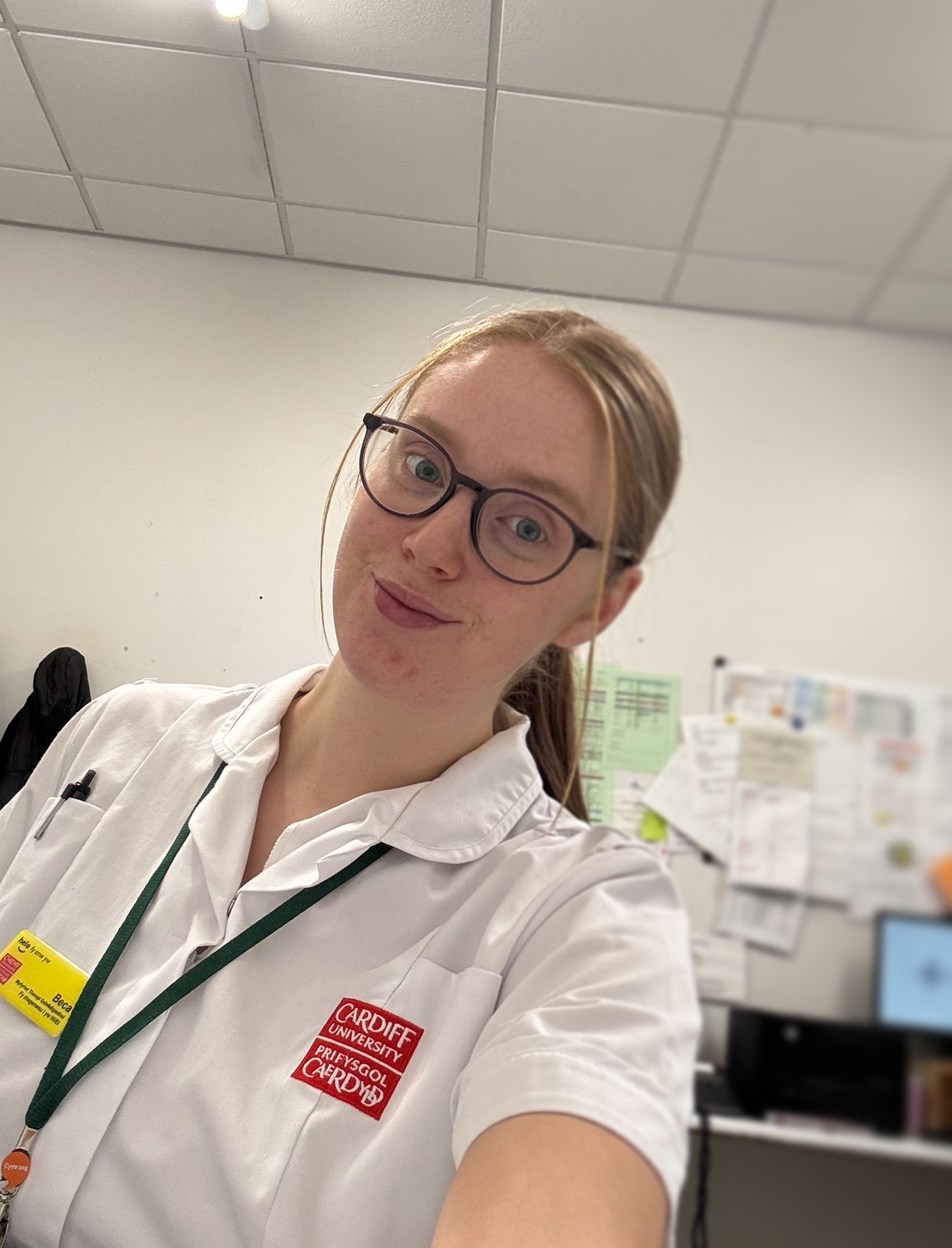
I'm Beca, and I'm about to start the final year of my pre-registration master’s course in Occupational Therapy at Cardiff University. Before the master’s course, I obtained a degree in Sociology and Social Policy from Bangor University.
The pre-registration programme is designed for graduates holding a degree in any subject. It provides a two-year fast-track route for individuals to qualify as occupational therapists. The two-year scheme comprises seven modules as well as three work experience placements.
Occupational therapy helps individuals of all ages live their best lives independently within their homes, workplaces, and anywhere else.
Whilst considering a career path at school, occupational therapy is unlikely to be on the radar, and individuals are often unaware of the profession until they encounter workers. Occupational therapists work in a variety of settings, ranging from schools and hospitals to the community and beyond.
During my first year, I had the opportunity to undertake two work placements that shaped my confidence and showed the positive impact the role has on individuals' lives. I spent eight weeks on a Trauma and Orthopaedics ward; the experience of working in a hospital was new to me, and I enjoyed it.
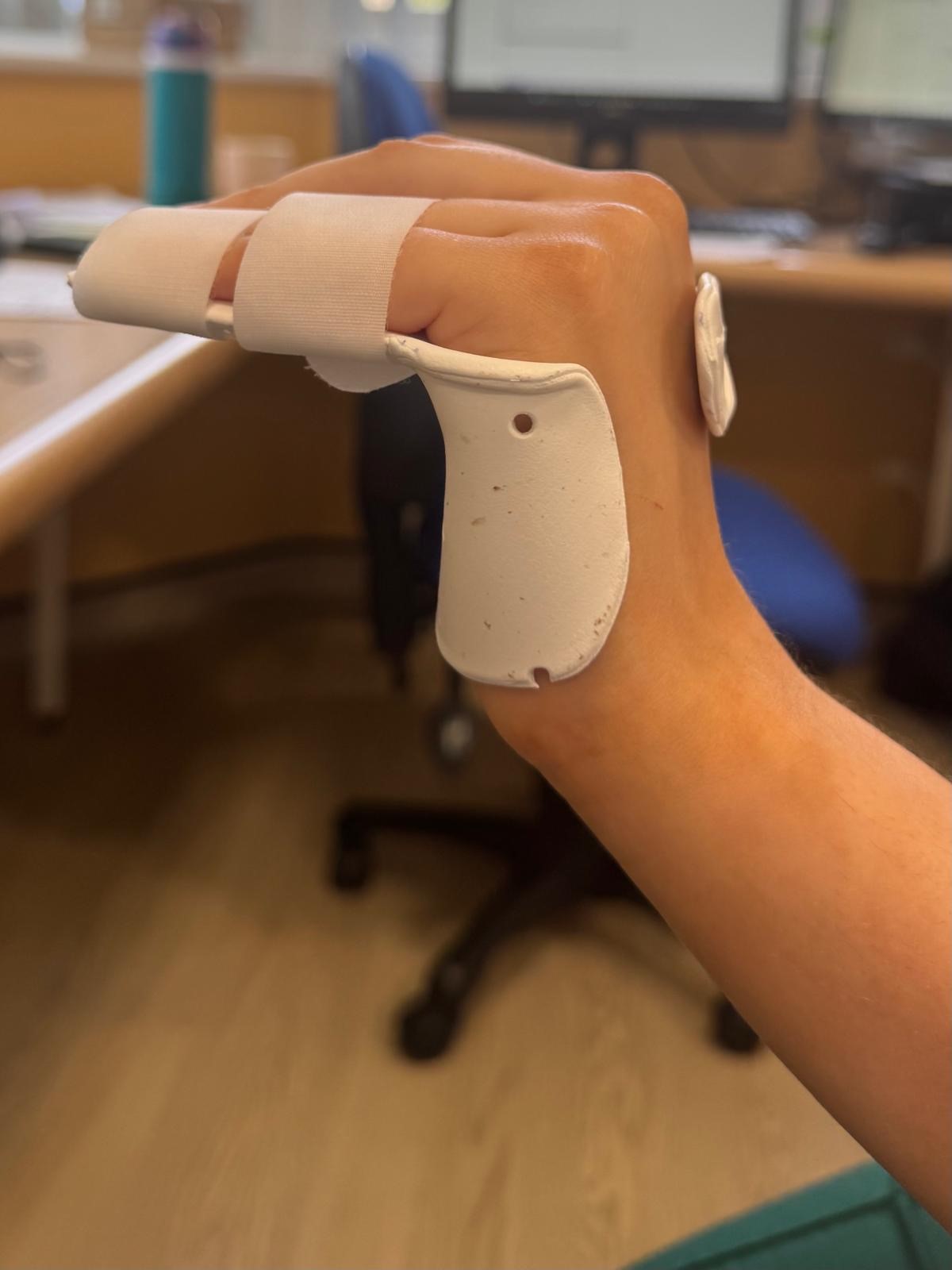
I was given the opportunity to understand how a multidisciplinary team works together to ensure patients return home safely. One of the role’s main objectives are to support patients in achieving their goals. I learned the fundamental practical aspects of the role, such as the criteria for ensuring a safe return home, as well as how to assess the suitability of equipment and make referrals to further services to support the patient.
During my second work experience, I spent 10 weeks on an adult mental health rehabilitation ward. Before starting the placement, I was anxious as I wasn’t familiar with mental health aspects of the job. I supported adults aged 18–65 who had been diagnosed with mental health conditions.
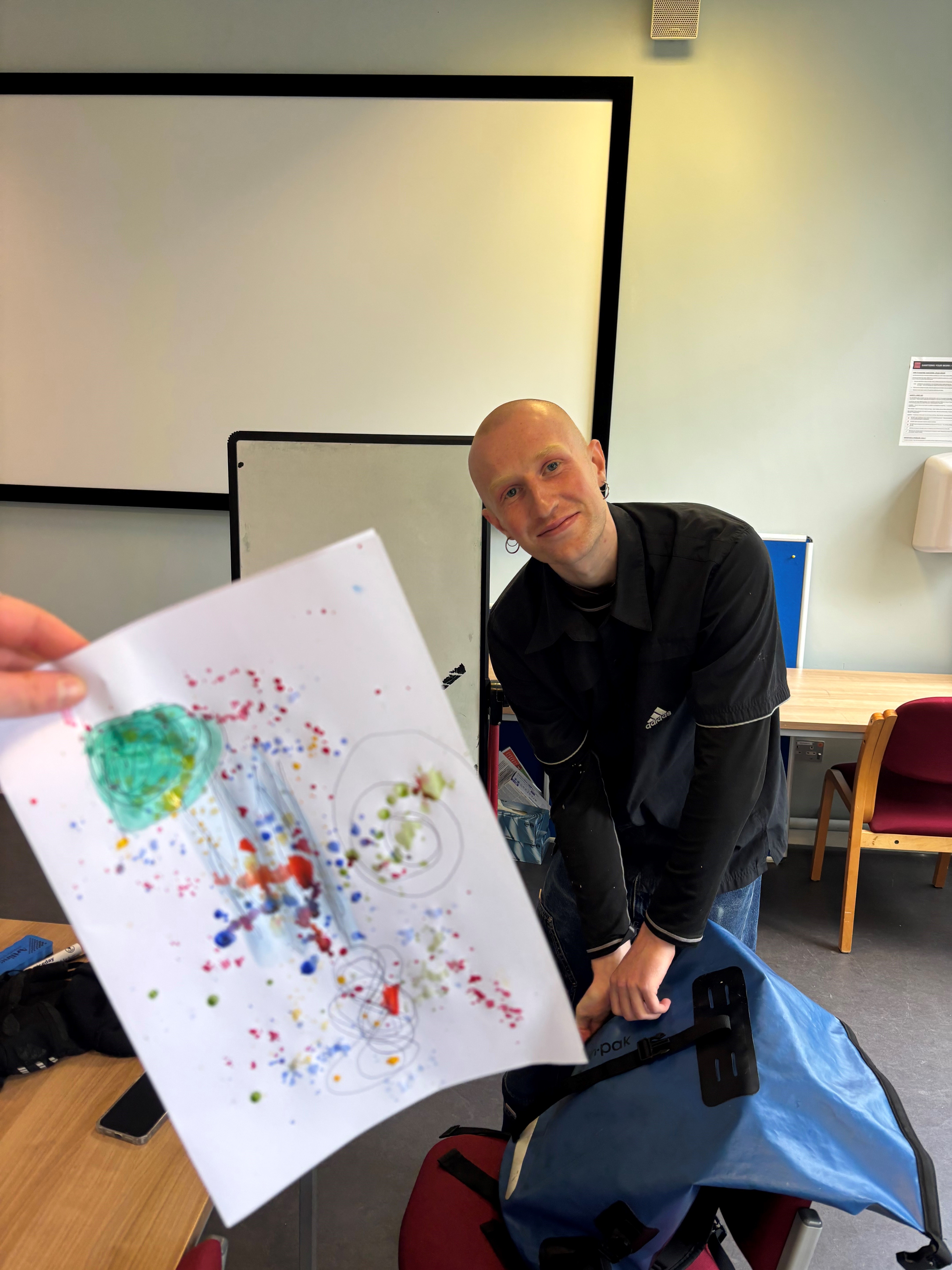
I got to know the patients, supported them in returning to the community, and observed their challenges. I supported individuals to rebuild self-reliance, develop a meaningful daily routine, and regain skills that contribute to their independence, such as cooking. By working closely with the multidisciplinary team, it was possible to identify individual challenges and co-create practical, personalised strategies to help patients move forward towards their recovery goals.
The course offers opportunities for anyone who enjoys working with people and wants to see the direct impact of their work. It is a profession that focuses on what matters to individuals. If you are looking for a career that offers purpose, variety, and the chance to make a real difference, occupational therapy is an option to consider.